When 3D printing is discussed, the conversation often gravitates towards efficiency, automation, and advanced industrial applications. Additive manufacturing is framed as a disruptive force—one that replaces old processes with new, digital ones.
Yet in Scotland, some of the most interesting and meaningful uses of 3D printing follow a very different logic. Additive manufacturing is increasingly used not to replace tradition, but to sustain it. It acts as an enabling layer—quietly supporting traditional professions, local production, and regional resilience, especially in places where skills, heritage, and livelihoods are deeply intertwined.
Harris Tweed: A Modern Tool for an ancient craft
Harris Tweed is often cited as a symbol of Scottish craftsmanship. Protected by law, the fabric must be woven by hand in the Outer Hebrides using traditional looms. This strict definition preserves authenticity—but it also creates practical challenges.
Many of the looms still in use are decades old. Spare parts are scarce, original manufacturers no longer exist, and importing custom components to remote islands is slow and expensive. Without intervention, these constraints could have quietly undermined the entire ecosystem.
This is where 3D printing enters the picture.
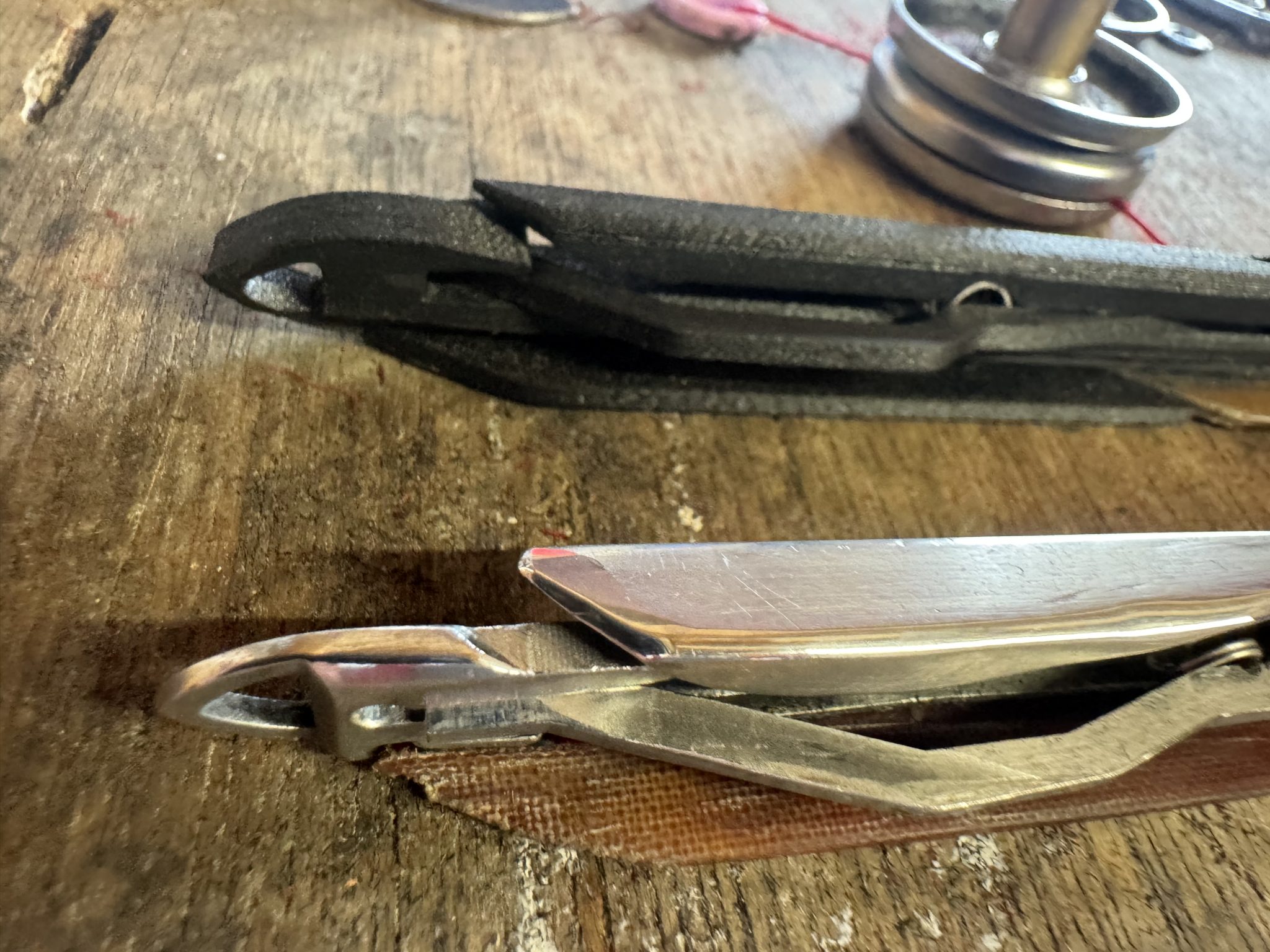
By redesigning and locally manufacturing replacement parts for historical looms, additive manufacturing has enabled:
continued use of traditional equipment,
dramatically lower maintenance costs, and
faster repairs without reliance on external suppliers.
The weaving itself remains unchanged. The skills remain local. The difference is that the infrastructure supporting the tradition has become more resilient. Rather than disrupting the craft, 3D printing helps ensure that it can continue on its own terms.
Musical instrument making: Experimentation without waste
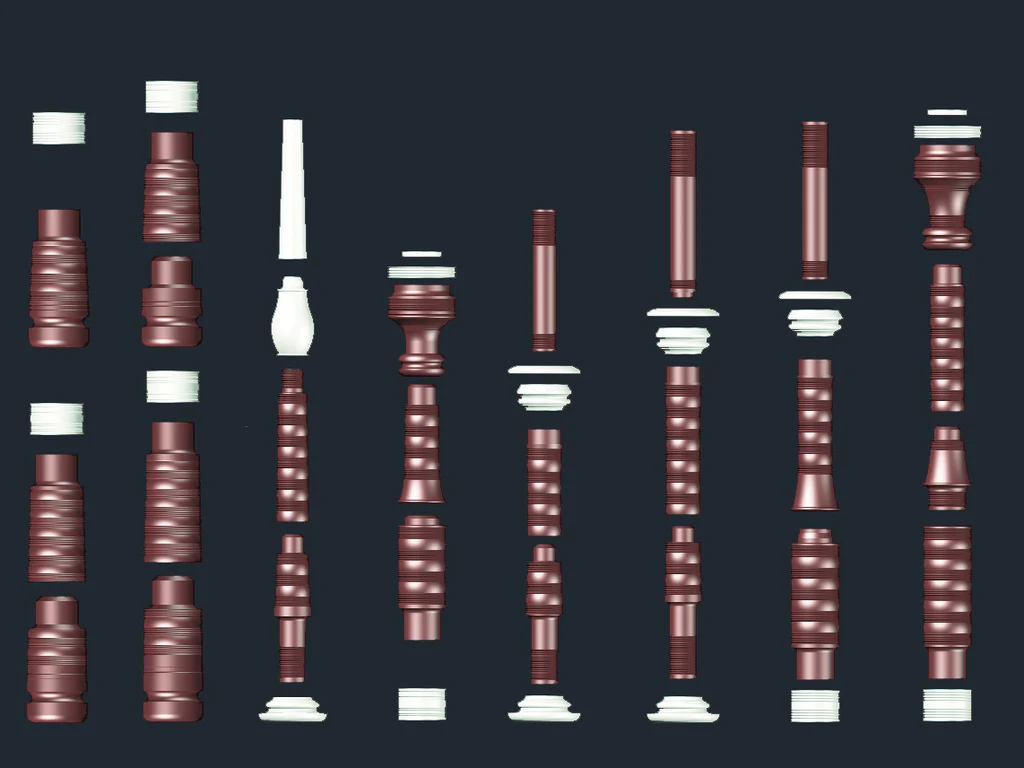
Scottish musical traditions offer another revealing example. Bagpipes and other traditional wind instruments rely on complex internal geometries that strongly influence sound, airflow, and playability. Prototyping these forms directly in wood is time-consuming, expensive, and unforgiving.
In response, instrument makers, hobbyists, and researchers, often in collaboration with institutions such as the University of Strathclyde, use 3D printing to explore acoustic geometries before committing to final materials.
Applications include:
prototyping practice chanter components,
testing mouthpieces, joints, and internal channels, and
reconstructing historical or rare instrument designs.
Importantly, 3D printing does not replace craftsmanship here. Finished instruments are still hand-made and hand-finished. Instead, additive manufacturing lowers the threshold for experimentation, reduces material waste, and makes traditional instrument making more accessible to new generations.
As with Harris Tweed, the tradition remains intact. The tools around it evolve.
Boatbuilding and maritime work: Keeping working boats working
Along Scotland’s west coast and island communities, small boatyards and fishing vessels remain economically vital. Many of these boats depend on parts that are no longer commercially available, or were never standardised to begin with.
In this context, 3D printing has been adopted in a pragmatic, almost understated way:
obsolete plastic and metal components are replaced,
rare parts are redesigned when original suppliers have disappeared, and
custom tools and jigs are produced directly in repair yards.
In regions such as the Clyde and the Hebrides, this aligns naturally with a “working boats” mindset. Boats are not heritage artefacts frozen in time. They are tools that must remain operational, safe, and adaptable.
Local, on-demand manufacturing strengthens self-sufficiency, especially in remote areas where delays, shipping costs, or dependency on external suppliers can threaten livelihoods.
Cultural heritage and museums: Access without degradation
Scotland’s museums and universities embrace 3D scanning and printing, particularly in the field of cultural heritage and conservation.
producing tactile replicas for inclusive and educational exhibitions, and
reducing handling of fragile originals.
Institutions such as National Museums Scotland, alongside regional museums, use additive manufacturing to balance access and preservation. Cultural heritage can be shared, studied, and experienced, without consuming or damaging the original objects.
Here, 3D printing supports education, accessibility, and local identity, rather than spectacle or novelty.
A Different model of additive manufacturing adoption
Taken together, these examples reveal a distinct pattern. In Scotland, 3D printing is not primarily about scale, speed, or industrial optimisation. It is about continuity.
Additive manufacturing becomes:
a tool for adapting traditions rather than abandoning them,
a way to keep production local rather than offshored, and
a means of strengthening regional resilience instead of centralising power.
This is a quieter narrative than the usual hype around 3D printing. But it may be one of the most important ones, especially as regions across Europe and beyond grapple with the question of how to preserve skills, identity, and local value creation in a digital world.
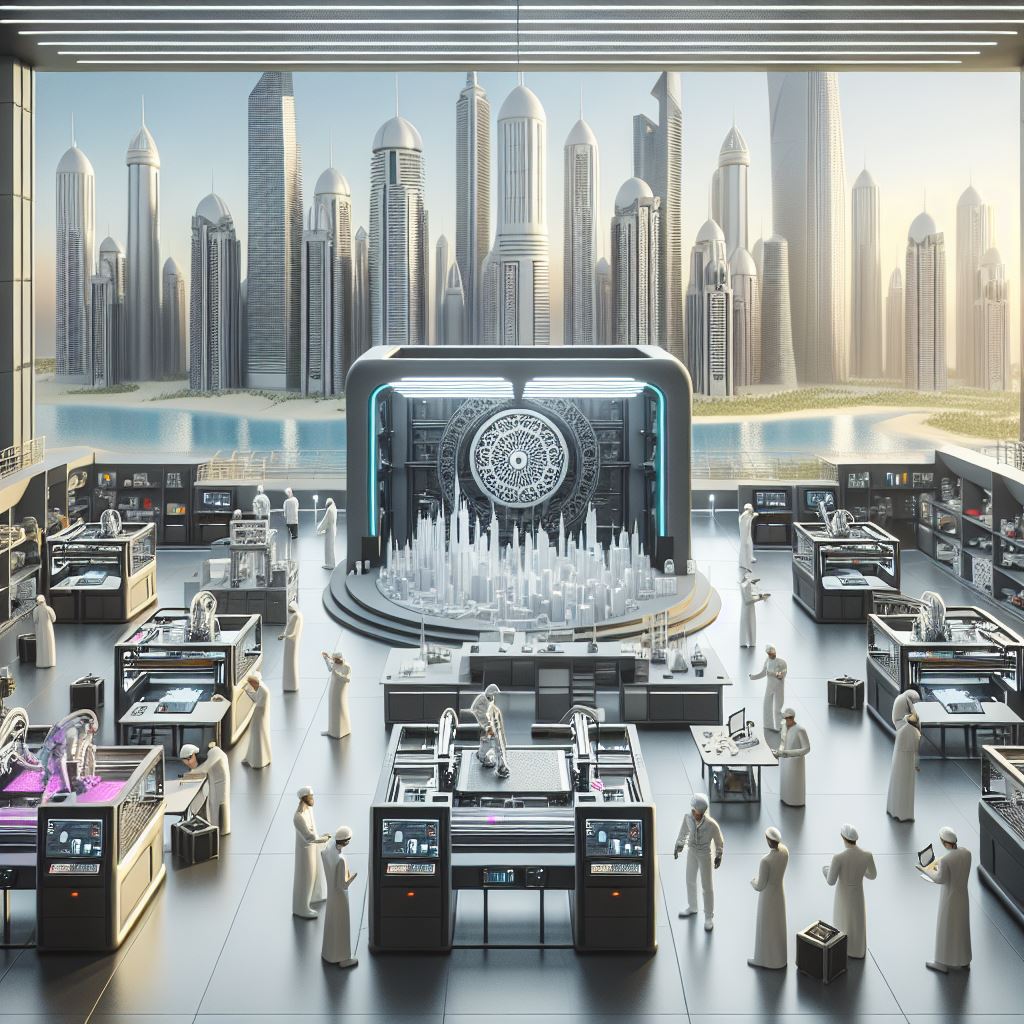
Arabiemiirikunnat, erityisesti Dubai, ovat asettaneet kunnianhimoisia 3D-tulostuksen tavoitteita. Maan johdonmukainen panostus teknologiaan heijastaa pyrkimystä tulla globaaliksi johtajaksi innovatiivisessa valmistuksessa ja rakentamisessa. 3D-tulostuksen avulla Dubai ja muut kaupungit pyrkivät muuttamaan teollisuudenaloja, tehostamaan rakentamista ja vähentämään ympäristövaikutuksia.
Dubain 3D-tulostusstrategia
Vuonna 2016 lanseerattu Dubai 3D Printing Strategy on maailmanlaajuisesti ainutlaatuinen hanke, jonka tavoitteena on tehdä Dubaista 3D-tulostuksen globaali keskus. Strategia on osa laajempaa Dubai Future Agenda -ohjelmaa, joka pyrkii luomaan globaalin mallin taloudelle.
Strategian keskeisiä tavoitteita ovat:
Rakentamisen uudistaminen: 25 % kaikista uusista rakennuksista 3D-tulostetaan vuoteen 2030 mennessä.
Kustannustehokkuus: Rakennuskustannusten vähentäminen 50–70 % ja työvoimakustannusten alentaminen 50–80 %.
Jätteen vähentäminen: Rakennusjätteen määrän vähentäminen jopa 60 %.
Kestävän kehityksen edistäminen: Resurssien tehokkaampi käyttö ja ympäristöystävällisten rakennusmateriaalien hyödyntäminen.
Arabiemiirikunnissa 3D-tulostusta hyödynnetään monipuolisesti eri toimialoilla, kuten rakennus- ja infrastruktuuriala, terveydenhuolto, ilmailu- ja avaruusteollisuus, sekä kuluttajatuotteet ja muoti.
Merkittäviä virstanpylväitä 3D-tulostuksen hyödyntämisessä ovat mm.:
Maailman ensimmäinen täysin toiminnallinen 3D-tulostettu toimistorakennus valmistui Dubaihin vuonna 2016.
Maailman suurin 3D-tulostettu kaksikerroksinen rakennus valmistui vuonna 2019.
Ensimmäinen 3D-tulostettu moskeija on rakenteilla Dubaissa ja valmistuu vuoden 2025 aikana.
Guinnessin maailmanennätys: Dubai Future Foundation sai tunnustuksen maailman ensimmäisestä 3D-tulostetusta kaupallisesta rakennuksesta vuonna 2020.
Dubai Electricity & Water Authority (DEWA) on rakentanut maailman ensimmäinen täysin 3D-tulostetun laboratoriorakennuksen Mohammed bin Rashid al-Maktoum -aurinkopuistoon. Tämä Robotics & Drone -laboratorio on ensimmäinen kokonaan paikan päällä 3D-tulostettu rakennus Yhdistyneissä Arabiemiirikunnissa ja samalla maailman ensimmäinen 3D-tulostettu laboratorio.
Roads & Transport Authority (RTA) on ottanut käyttöön 3D-tulostuksen Dubain metrojärjestelmän osien valmistuksessa. RTA käyttää teknologiaa sekä pienten että suurten osien tulostamiseen, mikä vähentää kustannuksia ja parantaa liikennejärjestelmän tehokkuutta. 3D-tulostettuja osia käytetään muun muassa lipunmyyntiautomaattien ja porttien alijärjestelmissä sekä muissa päivittäiselle toiminnalle tärkeissä osissa. Teknologian avulla RTA voi pitää Dubain metron laitteet pidempään käytössä ja samalla alentaa kustannuksia.
Sertifiointi ja sääntely
Dubai on maailman ensimmäinen kaupunki, joka on ottanut käyttöön 3D-tulostetun rakentamisen sertifiointi- ja vaatimustenmukaisuusjärjestelmän. Tämä varmistaa, että kaikki 3D-tulostetut rakenteet täyttävät turvallisuusstandardit ja tekniset vaatimukset. Sertifiointi on osa laajempaa strategiaa, jolla Dubai pyrkii houkuttelemaan kansainvälisiä yrityksiä ja investointeja 3D-tulostuksen alalle.
Koulutus
Arabiemiirikunnat on ottanut käyttöön laajan 3D-teknologian koulutusohjelman. Vuonna 2019 aloitettiin 3D-teknologian käyttöönotto yli 200 peruskoulussa. Ohjelma sisältää opetussuunnitelman, 3D-ohjelmiston (Makers Empire 3D), opettajien resurssit, koulutuksen ja tuen
Tavoitteena on opettaa Design Thinking -ajattelua, STEM-taitoja ja 21. vuosisadan taitoja nuoremmille oppilaille.
Sharjah Research, Technology and Innovation Park (SRTI Park) keskittyy tutkimuksen, teknologian ja innovaatioiden edistämiseen. SRTI Park on tarjonnut 3D-tulostuskursseja opiskelijoille huhtikuusta 2023 lähtien.
Myös American University of Sharjah (AUS) on aktiivisesti mukana 3D-tulostuksen koulutuksessa. Se toteuttaa mm. lukiolaisille suunnattuja Mechanical Engineering Boot Camp -leirejä, joissa opetetaan 3D-mallinnusta ja -tulostusta. 3D-tulostus on kiinteästi osa myös insinööri- ja arkkitehtiopintoja.
Tulevaisuuden näkymät
Arabiemiirikunnat jatkavat investointejaan 3D-tulostukseen, ja teknologiaa tullaan soveltamaan yhä laajemmin eri aloilla. Tulevaisuuden painopisteitä ovat:
Paikallinen valmistus: Riippuvuuden vähemtäminen tuonnista ja nopea on-demad tuotanto
Kestävän kehityksen ratkaisut: Rakennusten hiilijalanjäljen pienentäminen ja ekologisten materiaalien käyttö.
Älykkäät kaupungit: 3D-tulostuksen integrointi kaupunkisuunnitteluun ja infrastruktuuriin.
Yhteistyö kansainvälisten yritysten kanssa: Innovaatioiden nopea skaalaus ja uusien liiketoimintamahdollisuuksien luominen.
Kiina on merkittävä 3D-tulostuksen kehittäjä. Alan kasvu Kiinassa ja sen globaali vaikutus ovat nopeita. Kiinalaisen toiminnan kehittyminen on tärkeää huomioida suomalaisen ja eurooppalaisen 3D-tulostuksen kehittämisessä. Mielenkiintoinen ilmiö on mm. massasegmentointi.
Kiinan ja Euroopan 3D-tulostusmarkkinoilla on monia yhteisiä piirteitä, kuten voimakas kasvu ja palveluinnovaatiot. Eroja löytyy muun muassa Kiinan vahvasta valtion tuesta, edullisesta tuotantokapasiteetista ja nopeasta innovoinnista. Seuraavassa muutamia poimintoja kiinalaisista erityispiirteistä.
1. Valtion tukemat ohjelmat Kiinan hallitus tukee vahvasti 3D-tulostuksen kehitystä osana maan teollisuuspolitiikkaa. Tämä sisältää merkittäviä investointeja tutkimukseen ja kehitykseen sekä valtion tukemia aloitteita, kuten ”Made in China 2025” -ohjelma (MIC25), joka asettaa lisäävän valmistuksen keskeiseksi osaksi maan teollista tulevaisuutta.
2. Subventiot ja verokannustimet Kiinassa tarjotaan laajoja subventioita ja verokannustimia yrityksille, jotka investoivat 3D-tulostusteknologiaan ja -infrastruktuuriin.
3. 3D-tulostinten valmistus Kiina on maailman johtava edullisten 3D-tulostimien valmistaja. Esimerkiksi Creality ja Anycubic ovat globaalisti suosittuja kuluttajien 3D-tulostimia. Teollisten 3D-tulostimien valmistajia ovat mm. Farsoon Technologies, Shining 3D, UnionTech ja ZRapid Tech.
4. Massasegmentointi Kiinan valtavat markkinat ovat synnyttäneet massasegmentoinnin ilmiön. Tämä keskittyy tuottamaan useita erilaisia versioita samasta tuotteesta, jotka on suunniteltu vastaamaan eri asiakasryhmien tarpeita. Tämä eroaa massaräätälöinnistä, joka keskittyy yksittäisten tuotteiden muokkaamiseen vastaamaan kunkin asiakkaan erityistarpeita ja toiveita.
5. Massamodularisointi Massamodularisointi on liiketoimintamalli, jossa yritykset myyvät perustuotteita, joita voidaan helposti muokata tai laajentaa erilaisilla vaihdettavilla moduuleilla. Tämä malli hyödyntää 3D-tulostusta, joka mahdollistaa kustannustehokkaan ja joustavan tuotannon sekä lisää miniatyrisointimahdollisuuksia.
6. Avoimen lähdekoodin ekosysteemi Kiinassa on laaja avoimen lähdekoodin ekosysteemi, joka edistää nopeaa innovointia ja materiaalikehitystä, vähentää kustannuksia ja mahdollistaa laajemman tuotevalikoiman.
7. Nopea skaalaus Kiinassa on kyky nopeaan innovointiin ja teknologioiden skaalaamiseen. Yritykset voivat siirtyä nopeasti prototyyppivaiheesta massatuotantoon suuren ja joustavan tuotantokapasiteettinsa ansiosta.
8. Edulliset ratkaisut Kiinalaiset yritykset pyrkivät tarjoamaan kustannustehokkaita ratkaisuja, mikä tekee 3D-tulostusteknologiasta saavutettavampaa laajemmalle käyttäjäkunnalle.
Lähteitä:
Jin, Y. & Yu, J. (2016). Research on 3D Printing in China: A Review. International Journal of Research Studies in Science, Engineering and Technology, 3(7), 54-60.
Chen, W. et al. (2019). Development and application of 3D printing technology in various fields. ResearchGate.
Molitch-Hou, M. (2024, May 30). China’s 3D Printing Sector Is One Of The World’s Fastest Growing. Forbes.
South China Morning Post. (2025). China’s military tests remote 3D printed parts for the battlefield: report.
3D-tulostuksen hyödyntäminen edistyy kaikkialla maailmassa teknologiaksi, jolla on potentiaalia muuttaa teollisuudenaloja. Afrikka on mukana kehityksessä. Terveydenhuollosta rakentamiseen, 3D-tulostus ottaa merkittäviä edistysaskeleita paikallisten haasteiden ratkaisemisessa ja talouskasvun edistämisessä.
Afrikan maissa elää voimakas yhteisöllisyyden, jakamisen ja yritteliäisyyden kulttuuri. Tämä on vuosisatojen kuluessa tuottanut poikkeuksellisen mielenkiintoisia liiketoiminnan innovaatioita, jotka ilmenevät kekseliäinä tuotteina ja palveluina. Uudelle teknologialle keksitään nopeasti käyttöä, joka voi merkittävästi poiketa ns. tavanomaisesta käytöstä.
3D-tulostuksen toimijoita Afrikassa
Mentis 3D (Etelä-Afrikka) on johtava toimija Afrikan 3D-tulostusmarkkinoilla. Se on Afrikan ensimmäinen ISO9001-sertifioitu 3D-tulostuslaitos ja toistaiseksi HP:n ainoa 3D-tulostuskumppani mantereella. Mentis 3D tarjoaa kattavan palveluvalikoiman, joka sisältää suunnittelun, skannauksen, tulostuksen ja jälkikäsittelyn.
Nairobi on Kenian innovaatiokeskus ja 3D-tulostus on merkittävä osa kaupungin yrityskulttuuria. Mm. Objet Kenya, Kuunda 3D ja AB3D toimivat Nairobissa.
14 Trees on Holcimin ja British International Investmentin (BII) yhteisyritys. Yhtiö keskittyy 3D-tulostuksen hyödyntämiseen rakentamisessa. Iroko 3D -tulostin on suunniteltu parantamaan rakentamisen nopeutta, kustannustehokkuutta ja joustavuutta sekä tarjoamaan kestäviä ja edullisia asuntoja ja infrastruktuuria ympäri Afrikkaa.
Etelä-Afrikan CRPM (Centre for Rapid Prototyping and Manufacturing) on tärkeässä roolissa 3D-tulostuksen omaksumisessa. CRPM tekee yhteistyötä Botswanan yliopiston ja Botswanan teknologiatutkimus- ja innovaatiolaitoksen (BITRI) kanssa kehittäen 3D-tulostuksen ekosysteemejä Botswanassa.
3D-tulostuksen tulevaisuus Afrikassa näyttää valoisalta, ja useat tekijät vaikuttavat sen lupaaviin näkymiin:
1. Terveydenhuollon Innovaatiot: 3D-tulostuksella on potentiaalia mullistaa terveydenhuolto Afrikassa. Esimerkiksi räätälöidyt proteesit ja kirurgiset työkalut voivat tarjota edullisia ja saavutettavia terveydenhuollon ratkaisuja. 2. Koulutus: 3D-tulostuksen integrointi opetussuunnitelmiin antaa nuorelle sukupolvelle tulevaisuuden kannalta olennaisia taitoja. 3. Kestävä kehitys: 3D-tulostus tukee kestävää kehitystä vähentämällä jätettä ja edistämällä resurssien tehokasta käyttöä. 4. Talouskasvu: 3D-tulostuksen omaksuminen edistää talouskasvua luomalla uusia liiketoimintamahdollisuuksia ja parantamalla olemassa olevia teollisuudenaloja. 5. Paikallinen valmistus: 3D-tulostuksella on potentiaali vähentää riippuvuutta tuonnista mahdollistamalla paikallisten tuotteiden valmistuksen.
3D-tulostus on jo vakiinnuttanut asemansa valmistavassa teollisuudessa, mutta sen mahdollisuudet eivät rajoitu vain uusien tuotteiden luomiseen. Kiinnostava ja kasvava näkökulma on uudelleenvalmistus (remanufacturing), jossa käytetyt tuotteet tai niiden komponentit kunnostetaan, päivitetään ja saatetaan uudenveroisiksi. Tämä avaa uusia mahdollisuuksia erityisesti kestävän kehityksen ja kiertotalouden näkökulmasta.
Mitä on uudelleenvalmistus ja miten se eroaa muista prosesseista?
Uudelleenvalmistus ei ole pelkkää kierrätystä eikä yksinomaan korjaamista tai entisöintiä. Kyseessä on järjestelmällinen prosessi, jossa käytetty tuote puretaan, analysoidaan ja sen käyttökelpoiset osat kunnostetaan tai korvataan uusilla. Lopputuloksen tulee vastata täysin uuden tuotteen suorituskykyä ja laatua. Tämä eroaa perinteisestä kierrätyksestä, jossa tuotteet hajotetaan perusmateriaaleiksi ilman tarkempaa analyysiä niiden uudelleenkäytettävyydestä.
3D-tulostus uudelleenvalmistuksessa
3D-tulostus on merkittävä uudelleenvalmistuksen mahdollistaja. Sen avulla voidaan esimerkiksi:
Valmistaa varaosia kuluneiden tai poistettujen osien tilalle, jolloin tuotteen elinkaarta voidaan jatkaa.
Mukauttaa ja päivittää komponentteja, jotta ne sopivat modernisoituihin standardeihin tai uusiin käyttötarkoituksiin.
Luoda täysin uusia osia vanhojen mallien pohjalta, erityisesti silloin, kun alkuperäisiä varaosia ei ole enää saatavilla.
Uudelleenvalmistus yhdistettynä 3D-tulostukseen tukee sekä ympäristöllistä että taloudellista kestävyyttä. Tämä vähentää uusien raaka-aineiden tarvetta, pienentää jätteen määrää ja mahdollistaa tuotteiden pidemmän käyttöiän. Lisäksi yrityksille se tarjoaa uusia liiketoimintamahdollisuuksia, esimerkiksi palvelumallien kautta, joissa tuotteita ei myydä lopullisesti, vaan niitä ylläpidetään ja päivitetään jatkuvasti.
Tulevaisuuden näkymät
Uudelleenvalmistus muuttaa tapamme ajatella valmistusta ja kiertotaloutta. Tulevaisuudessa tekoäly ja digitaaliset alustat tehostavat uudelleenvalmistusprosesseja. Älykkäät algoritmit analysoivat käytettyjen komponenttien kuntoa, optimoivat varaosien valmistusta ja ehdottavat kestävämpiä ratkaisuja. Digitaaliset kaksoset (digital twins) voivat seurata tuotteiden elinkaarta ja ennakoida huollon ja uudelleenvalmistuksen tarpeita jo ennen niiden ilmenemistä.
Lisäksi äärimmäiset kestävän kehityksen vaatimukset voivat vauhdittaa siirtymistä kiertotalouspohjaiseen valmistusmalliin, jossa tuotteet suunnitellaan alun perin uudelleenvalmistettaviksi. Yritykset voivat hyödyntää jakamistalouteen perustuvia liiketoimintamalleja, joissa tuotteita ei myydä kertakäyttöisinä, vaan ne palautuvat valmistajalle päivitystä ja uudelleenvalmistusta varten. 3D-tulostus yhdistettynä tekoälyyn mahdollistaa entistä räätälöidymmän ja resurssitehokkaamman tuotannon, joka tukee sekä liiketoimintaa että ympäristön hyvinvointia.
Onko yritykselläsi mahdollisuus hyödyntää 3D-tulostusta uudelleenvalmistusprosessissa? Jatketaan keskustelua ja jaetaan kokemuksia!
3D printing is a promise for radical new concepts, products and functionalities that have never existed before. Unfortunately only less than 1% of us can imagine truly new things. We are mostly copying and variating earlier ideas.
So how can we find the truly new products and future-proof solutions ? Here are some strategies for this.
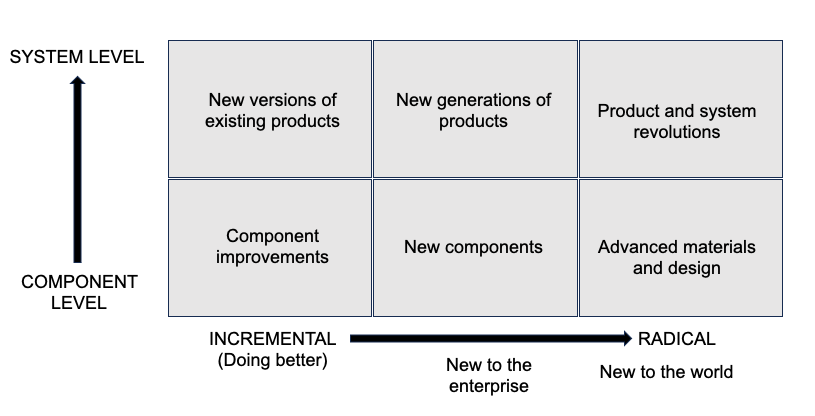
Innovation can take place at component or system level. The novelty can be considered by the impact it has (incremental, radical).
Figure 1. Dimensions of innovation by Joe Tidd.
In this article we talk about exploration for new products that are made possible by 3D printing. Exploration is the activity when the organisation seeks future product directions and opportunities.
Grounded vs. disruptive exploration
Grounded exploration emphasizes systematic development and logical improvements to products. Disruptive exploration is based on “soft” and creative practises, such as pure creativity, allowing unexpected combinations, and taking higher risks. Grounded exploration may be more common in established engineering companies and disruptive exploration in agile start-up companies.
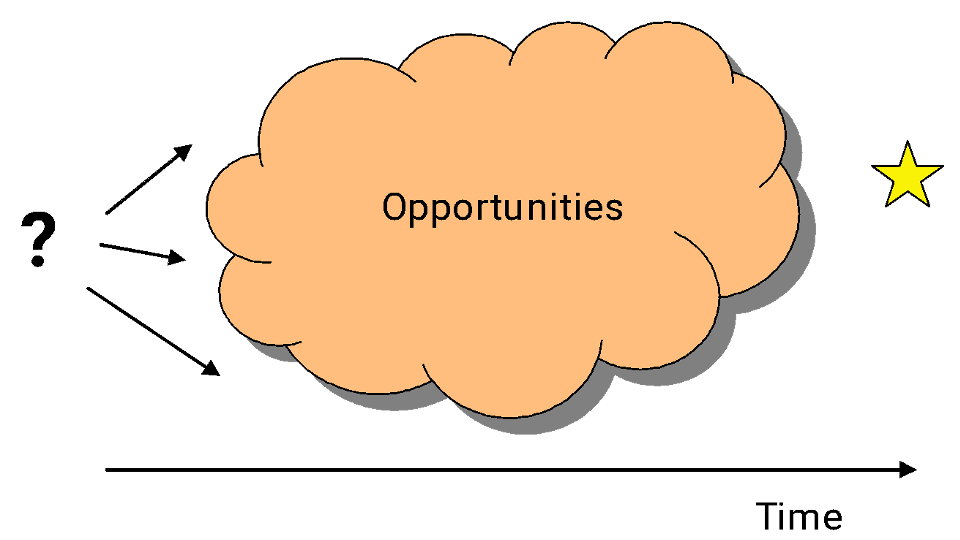
There are always more options than can be explored and implemented. It is difficult to know which direction to take and where the markets and competition will be. The explorer is in similar situation as an astronomer trying to see distant stars – it is difficult to see far due to distance or other disturbing factors (Figure 2).
In grounded exploration the designer sets first the criteria for exploration and then studies the opportunities. In disruptive exploration the criteria for new products are set later when the opportunities are perceived.
Figure 2. The problem of identifying the right opportunities
Logical vs. non-logical
Logical approaches lead to predictable innovations and can be deducted by looking at the premises, user needs, competition and technology advances. Example activities:
Extend and improve the products to predictable directions, for example based on user feedback.
Update the applied design tools and technologies.
Change the product strategy according to user or business needs.
Apply user-centred development processes.
React to competition.
Non-logical approaches lead to ideas and innovations that are not obvious by looking at existing knowledge or premises. Non-logical approaches emphasize designers’ ideas, inspiration and unexpected technology combinations. The areas explored can be in conflict with the results from logical thinking. Example activities:
Extend the concepts or features to non-predictable directions
Try unknown or unproven solutions.
Challenge the knowledge from market research.
Target oriented vs. open ended
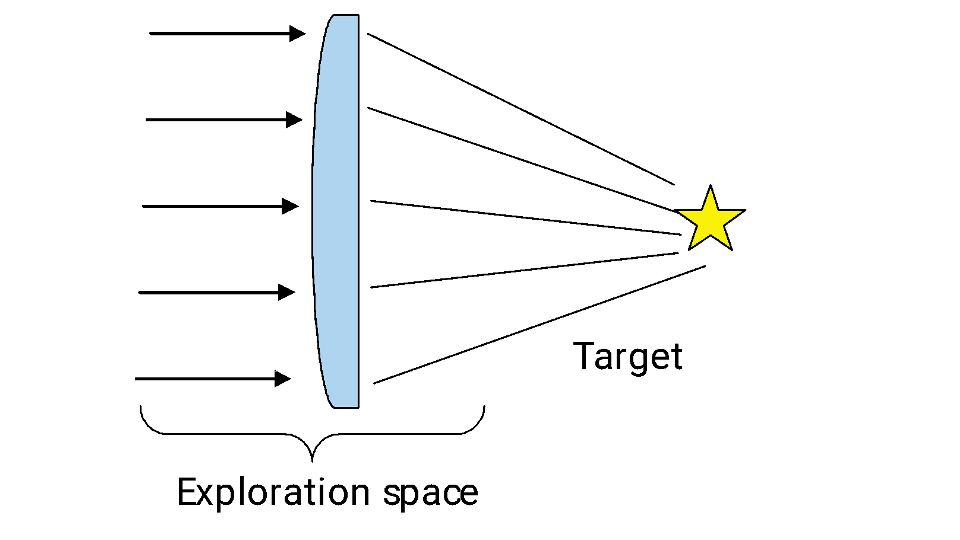
Target oriented approaches aim to fulfill a pre-defined goal, such as certain features, market share, price, design or customer need. The activities as a whole establish an exploration ”lense”. The pre-defined goal is the focal point for the lense. Example activities
Explore only ideas that support strategic (primary) goals
Fix errors.
Add features.
React to feedback.
Design for synergies across features
Figure 3. Target oriented exploration
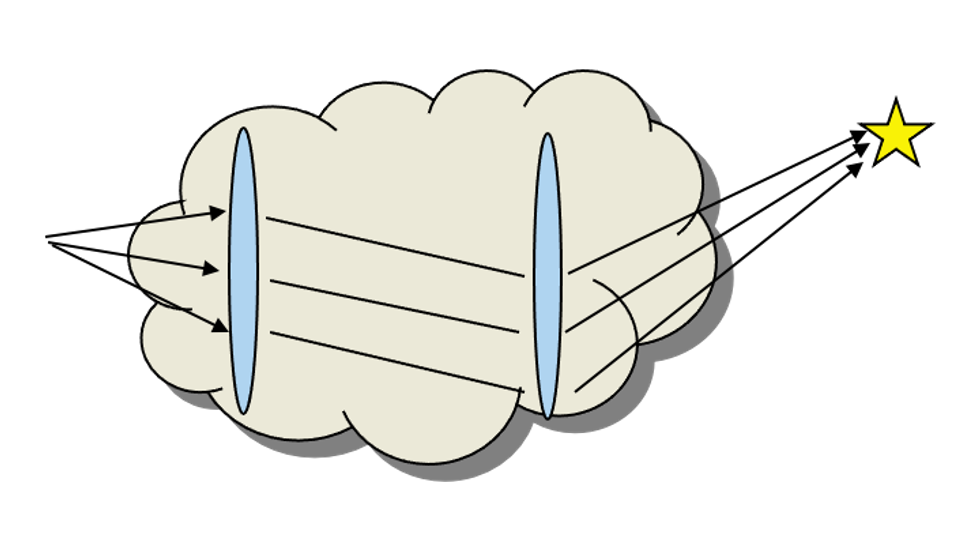
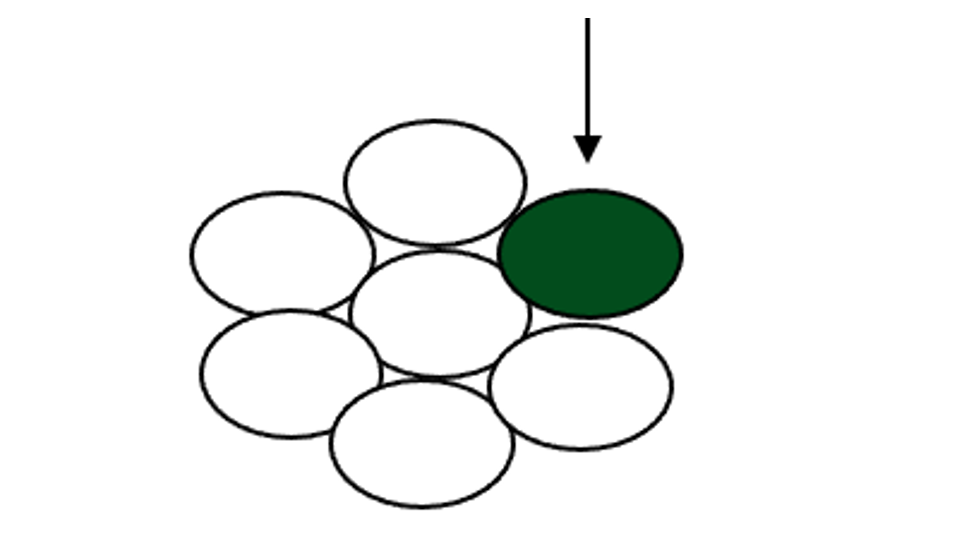
Open ended approaches. In this approach the mission is simply to find new, without pre-defined limitations and with minimal guidance. Existing opportunities and unexpected findings are seen as “lenses” that lead the exploration towards undefined goal. The target comes visible when different combinations are tried and studied. By applying ”lenses” at different situations during exploration, different objects and possibilities come visible. Examples
Explore with non-strategic (secondary) goals
Maximize the generation of new ideas and combinations of ideas. Focus on quantity rather than quality.
Make design perspectives (Where we are heading?) and take perspectives (Where are we now?)
Figure 4. Exploring the unknown with opportunities
Rational vs. irrational
Rational approaches look to directions and solutions that make sense and can be justified with business goals, expertise, or data. This approach is similar to logical approach, but the emphasis is in “common sense” and intuitition – “We know there is something”. Team’s expertise and quiet knowledge play important role. The concept of gravitational lenses clarifies the situation: you have observations indicating that something is behind the obstacles, but currently you can observe and explore only second hand indications. Examples activities:
Extend the ideas with known and justified use cases and ratioanl details
Assume emergence of certain trend, technology, customer need or user behaviour
Ignore some known limitations, uncertainties and risks, but with a good reason
Figure 5. Gravitational lense. A gravitational lense is formed when the light from a very distant, bright source (such as a quasar) is ”bent” around a massive object (such as a cluster of galaxies) between the source object and the observer. Souce: Wikipedia
Irrational approaches emphasize ideas that stem from non-rational user needs or simply playing with available technology and design options. Although people are capable of rational thinking they very often act irrationally or have irrational needs. For example, market research may reveal expectations or latent needs that can’t be explained by rational analysis. For example, explore solutions that emphasize ”beauty”, “joy”, “happiness”, “showing off” that are difficult to explore, model and manage with rational mindset. This approach requires high degree of creativity and freedom, good modeling tools, but still proper understanding of the doable vs. not-doable elements. For example:
Apply irrational (not justified, not predicted by theory, not logical) elements in the ideas, such as playfulness and “wov”. Consider also very short lifetime vs long lifetime of a product idea, since these lead to different concepts.
Work with artists, people with creative talents, lead users, etc.
Explore beliefs, religions and other non-scientific areas that guide people’s behaviour and markets.
Incremental vs empirical
Incremental approach aims to add new elements into existing products and systems, i.e it studies what is missing part. Incremental exploration is maybe the easiest and safest option to go, but will not contribute to a new product strategy. In this approach we accept also negative increments, i.e. changing the concepts by removing existing elements.
Figure 6. Incremental approach
Examples:
Which functions / elements could be added to existing products and systems?
Which functions / elements could be removed from existing products and concepts?
Which features could be combined or integrated?
Empirical approach
Empirical or new-creating approach aims to define fully new strategy or direction for product innovation and concepts. The work of a designer resembles the work of an artist who applies different kinds of methods, technologies and techniques in a flexible manner in a process of appreciation, action and re-appreciation, constantly reflecting on his own work. The empirical approach designers rarely follow the methodology prescribed by normative theories.
Figure 7. Empirical approach
Examples:
What could be created from the given elements?
Which new user functions, features or designs could be proposed?
Focus on outliers! Outliers are ideas and concepts that seem not to fit with ”proper” ideas and are not compatible with the mainstream solutions.
Strategies for exploration
We can’t directly see to the future. It would be nice if we could. The future is hidden beyond time, trends, technology advancement and unexpected events. Fortunately we can see signs of the future everywhere around us, such as megatrends, trends, silent signals, outliers and research results. Astronomers have similar problem when they try to see galaxies and black holes that hide behind massive systems in space.
Here are four strategies to apply when identifying the opportunities for future products or systems.
1. Lenses to future
Use exploration ”lenses” as descibed in the sections above. Try to see the new opportunities and accept unexpected findings.
2. Wind Approach
Imagine you try top navigate straight from west to east and there is strong north wind. In order to reach the destination you actually need to aim to north east. This gives a different route and new parameters for the exploration.
The Wind Approach is a method for product innovators seeking future product ideas by embracing the unexpected and venturing into uncharted territories. Inspired by the way a navigator adjusts their course when faced with adverse winds, this approach challenges traditional thinking and encourages innovative solutions to emerge. By intentionally deviating from the conventional path, the Wind Approach opens up new dimensions of exploration and unlocks a plethora of exciting possibilities.
Methodology:
Defining the Destination: Start by identifying the overarching goal, problem or product idea you aim to solve. This represents the ”destination” you want to reach through innovation.
Mapping the Traditional Route: In the absence of any constraints or challenges, chart out the most straightforward route to your destination. This represents the conventional approach to innovation.
Identifying the Wind: Introduce a disruptive element or constraint that mimics the strong north wind in the analogy. This could be a limitation, a constraint, an opposing trend, or an unconventional perspective.
Adjusting the Course: Just as a navigator adjusts their course to navigate around the wind, deliberately deviate from the traditional path. In response to the introduced constraint, pivot your perspective and consider alternative directions.
Finding the North East: Instead of simply overcoming the constraint, use it as a guide to explore new destination, new routes and dimensions. Like aiming for the north east in the face of a north wind, seek out unconventional ideas and opportunities that arise from accommodating the constraint.
Exploring New Parameters: The Wind Approach prompts you to redefine the parameters of your innovation exploration. As you navigate around constraints, you might discover unexpected intersections between ideas, designs, materials, industries, or technologies. This can lead to the creation of entirely new product concepts.
Possibilities and Benefits:
Divergent Thinking: The Wind Approach fosters divergent thinking by pushing innovator to question assumptions and break free from linear thought patterns. This can lead to solutions that might not have been considered otherwise.
Cross-Disciplinary Insights: Embracing constraints can open doors to collaborating with experts from diverse fields. The process of navigating constraints often involves borrowing insights and techniques from unexpected sources, fostering cross-disciplinary innovation.
Unique Value Propositions: By embracing challenges and constraints, you can arrive at product ideas with unique value propositions. These ideas might solve problems in ways that resonate deeply with users or disrupt established markets.
Innovative Problem-Solving: The Wind Approach encourages creative problem-solving, as the need to circumvent constraints can lead to elegant and unexpected solutions.
Market Differentiation: Products conceived through the Wind Approach are likely to stand out in the market due to their unconventional nature. This differentiation can lead to stronger market positioning and a competitive edge.
Innovation Mindset: Continuously applying the Wind Approach can cultivate an innovation mindset within teams and organizations. It encourages a culture of adaptability, resilience, and open-mindedness.
3. DreamForge approach
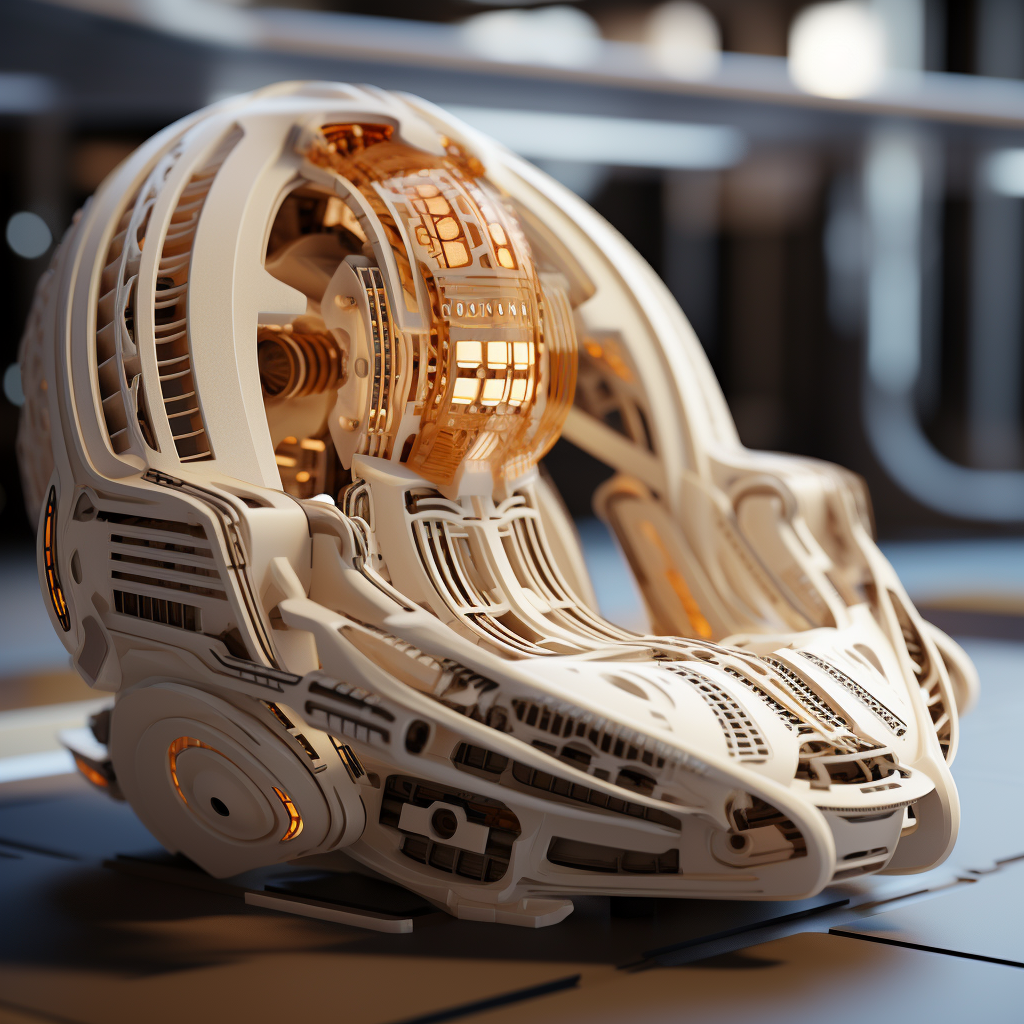
DreamForge is a design methodology that harnesses the power of AI-based image generators, or any other system that amplifies the exploration space digitally, to create visually stunning and highly intricate product concepts. Unlike traditional design processes that rely solely on human creativity and constraints, DreamForge taps into the limitless potential of AI to generate products that transcend the boundaries of reality. This methodology leverages advanced machine learning algorithms to produce designs that are rich in complexity, detail, and innovation.
Figure 8. Product exploration with DreamForge. Image by Midjourney.
Key Steps:
AI Training: The DreamForge methodology begins with training AI models on an extensive dataset of existing 3D designs, art, and various visual inspirations. This enables the AI to learn patterns, styles, and artistic elements. This step is not always needed, since generative AI:s may have sufficient data already in place.
Creative Seed: Users provide a basic idea or concept as a creative seed to guide the AI’s initial design generation process. This seed could be a vague description, a set of keywords, or even an abstract image.
AI Design Generation: The AI takes the creative seed and generates a diverse array of design concepts. These concepts can be wildly imaginative, incorporating elements that human designers might never conceive.
Iteration and Refinement: Users review the generated designs and select the ones that resonate with their vision. They can provide feedback to the AI, which then refines subsequent design iterations.
Customization: Users have the option to customize and fine-tune the selected design, adjusting specific details, scales, and features to align with their preferences.
Benefits of DreamForge:
Unbounded Creativity: DreamForge unleashes a new level of creativity by producing designs that defy conventional boundaries. AI-generated designs introduce novel shapes, patterns, and aesthetics that push the limits of imagination.
Efficiency and Speed: Traditional design processes can be time-consuming and iterative. DreamForge accelerates the design phase by rapidly generating a multitude of unique concepts, expediting the creative journey.
Intricate Detailing: The AI’s ability to incorporate millions of intricate details and nuances results in designs that possess a depth of complexity that would be nearly impossible for a human designer to envision.
Idea Exploration: DreamForge is a powerful tool for exploring design ideas that may have been overlooked or deemed unfeasible. Users can visualize concepts they might not have considered otherwise.
Personalization: Users can inject their personal preferences into the design, ensuring that the final product reflects their unique style and taste.
Innovation Catalyst: DreamForge serves as a catalyst for innovation, inspiring designers, artists, and creators to break free from conventions and explore uncharted territories of design.
4. VisioForesight approach
VisioForesight approach is a scenario planning method that helps explorers anticipate and navigate a range of potential product futures. By crafting detailed stories of plausible yet diverse outcomes, scenario planning empowers decision-makers to be proactive, adaptable, and ready for whatever product opportunities tomorrow may bring.
Methodology
Define X and Y Axes: In the context of business scenarios, the X and Y axes often represent two key dimensions or variables that influence the scenarios. Similarly, in the context of product exploration, you could define two axes that capture essential aspects of the product. These axes could be factors like ”Functionality” and ”Aesthetics,” ”Complexity” and ”Simplicity,” or any other relevant pair of attributes.
Explore the Four Fields: Once you’ve defined your axes, you can divide your scenario map into four quadrants, each representing a distinct combination of attributes. For example:
Quadrant I: High Functionality, High Aesthetics
Quadrant II: High Functionality, Low Aesthetics
Quadrant III: Low Functionality, High Aesthetics
Quadrant IV: Low Functionality, Low Aesthetics
Applying this Approach to Product Exploration: Let’s say you’re designing a smart medical device. You could use the axes ”Innovative Features” and ”User-Friendly Design” to create your scenario map:
Quadrant I: Device with Cutting-Edge Features and Intuitive User Interface
Quadrant II: Feature-Rich Device with Complex User Interface
Quadrant III: Visually Stunning Device with Simplified Features
Quadrant IV: Basic Device with Limited Features and Usability
Benefits: Structured Exploration: This approach provides a structured framework for brainstorming and exploring different product ideas based on specific attributes or dimensions.
Idea Generation: By systematically exploring each quadrant, you ensure that you consider a wide range of possibilities and avoid overlooking potential ideas.
Evaluation Criteria: The scenario map offers a way to evaluate and prioritize ideas based on the attributes represented by the axes. This can help in aligning product ideas with your overall design goals.
Visual Representation: The scenario map provides a visual representation of the product landscape, making it easier to communicate and collaborate with team members and stakeholders.
Informed Decision-Making: By mapping out different scenarios, you can make more informed decisions about which quadrant aligns best with your target audience, market trends, and business objectives.
Holistic Approach: Considering both functional and aesthetic aspects ensures a holistic approach to product design, leading to products that not only perform well but also engage users visually.
Diverse Range of Ideas: By changing the attributes on the axes, you can adapt the scenario map to different products and explore a wide range of design possibilities.
Conclusion
There are many avenues for finding future products. Some require systematic work and some are based on imagination. Maybe the best results are achieved by hybrid approaches, where both aspects are applied.
This article is a preview to a wider work that brings new tools to the creators of future products, especially to support the imagination challenge of 3D printing. Stay tuned!
Global business is increasingly about design and innovation and less about low cost. When speed-to-market and reacting to customer needs are valued, finding design and production facilities close to markets make sense.
In the past the digital technology revolution was about geographically dispersed production networks. In the future, digital technologies bring biggest value close to customers due to supply certainty, better interaction, higher customization and resource saving.
New technologies, such as #3dprinting and #robotics, facilitate the rise of proximate design and manufacturing. Global supply chains will have a role, but phenomena such as neo-nationalism, protectionism and global logistical disturbances trigger the rise of local supply chains and production close to prime urban locations.
This is short envisioning about local manufacturing and 3D printing. If you are in a city or industrial area, imagine drawing a circle of 100m diameter around your location. What are the activities taking place in the area? Look out from your window and simply list what you see.
There are probably offices, homes, shops, services, small and large businesses, bikes and cars, maybe kids playing. Everyday activities take place, such as renovating, maintaining, adjusting, breaking things, repairing, fixing, improving, problem solving and generating new ideas. There is continuous need for solutions to make life easier.
Local manufacturing is the concept of making products close to customers and users. The idea is not new. Thousands of years people have made all they need close to where they are using the available simple materials, and often asking help from the community.
Global competition and strive for efficiency has led to centralized and optimized manufacturing in bigger volumes and in places where the production is most efficient. Local manufacturing has not been the winning concept in recent decades. However, new era seems to be starting due to the demands for sustainability, circular economy and digitalization.
We have 3D printing solutions to design, manufacture and deliver all kinds of products, spare parts and components in less than 24 hours. This exists today, but it is not yet reality everywhere (as is the case with all future cracks). Do you know where is your nearest local service to have products or spare parts 3D printed?
What kind of 3D printed parts the local customers inside your 100m radius might need? For example at home:
Spare parts to fix broken handles, toys, gadgets.
Special tools to improve accessibility, health, safety or ergonony
Affordable design objects to make things more personal or esthetic
Special holders for lights, cables, bike appliances, etc
Prototypes to support design drafting or ideation project
Appliances for pets (dogs, cats, aquarium).
Tools and parts for hobby, such as knitting or sports
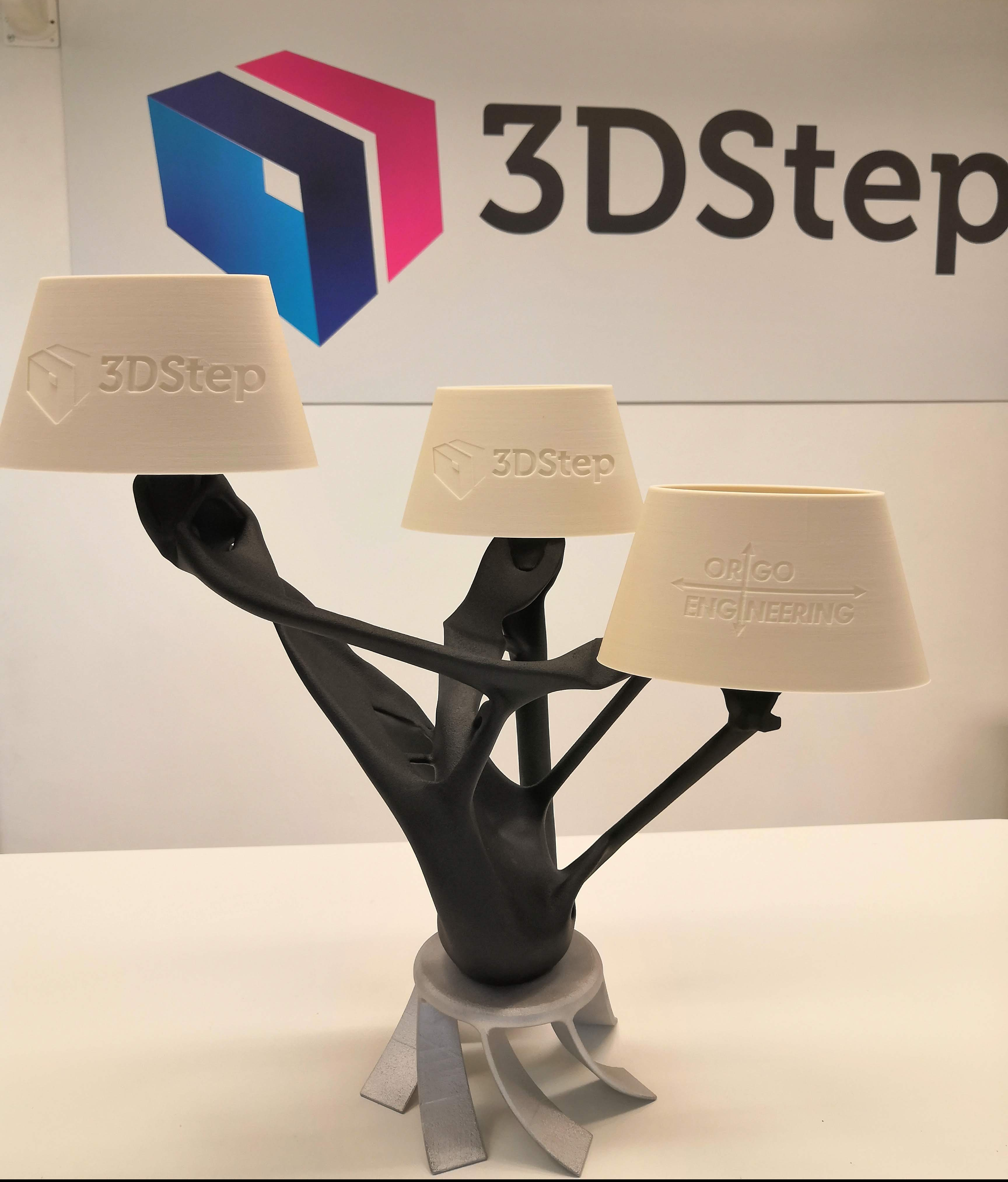
Figure: 3D printed table light. 3D printed with wood composite, plastic and metal. Design: Origo Engineering. 3D printing: 3DStep.
Rapid products
3D printing is ready for competitive local manufacturing and new business models. Faster technologies, better software and widening offering of materials are introduced every week. Maybe the concept for future is rapid product. Today’s 24 hour delivery time will shrink to <1h deliveries with the help of smart design tools, very fast 3D printers, digital platforms and innovative delivery strategies.
What will be the extreme customer experience for rapid products in the future? It will be close to magic. It is simple. Almost like using a magic wand. You express your need or idea to the service (or the smart device has already told what’s needed). And sooner than you expect, the product is delivered to you with a robot or drone, by the girl next door, or as virtual product proposal into your smart device.
Business
Establishing local manufacturing business for rapid products and local manufacturing is not rocket science or huge investment. You can start the business from your couch with a laptop and with a 1000€ 3D printer. Finding the correct business model is the most tricky part. In the beginning the business will be based mostly based on small transactions of less than 50€. Developing value adding services that help the local community to learn and try the rapid product possibilities may be the fast track to increase the sales. Or maybe it is simply because of the speed of solving product problems.
The business can expand further, for example,
by scaling up your manufacturing capability with larger fleet of 3D printers ad other tools,
by digital service innovation and crowdsourcing design work.
by developing collaborative business with other local manufacturers for wider solutions offering, and
by creating explicit value (concrete problem solving) or implicit value (customer experience) for your customers.
If you had 5000€ budget, what kind of local manufacturing service would you start?
3D-tulostuksen sovellusalueiden ja liiketoiminnan löytäminen ja löytyminen riippuvat nykyisten toimialueiden laidoilla toimivista yllättäjistä – uusien näkökulmien tuottajista.
3D-tulostuksen teknologia on ollut nousujohteisella polulla 1980-luvulta asti. Sen merkittävin kehitys, erityisesti viime vuosina, on tapahtunut samanaikaisesti sekä edelläkävijöitä edustavien kotitulostajien toiminnassa, että teollisuuden sovelluksissa. Molemmilla rintamilla kysytään kuumeisesti: mihin ongelmaan 3D-tulostus tarjoaa parhaat ratkaisut?
3D-tulostus on teknologia-alusta, jonka hyödyntämiseen ei ole vielä vahvoja loppukäyttäjätarpeita. Tilanne on samankaltainen kuin Internetin syntyaikoina 1990-luvulla. Silloin vaikutti, että Internet soveltuu parhaiten akateemisen maailman tiedonvälitykseen, mutta sillä ei tule olemaan varsinaisia kaupallisia sovelluksia, varsinkaan koska monet toiminnot ovat käyttäjille ilmaisia. Leijonan Luolasta Internet ei ehkä olisi löytänyt sijoittajia, koska näkymät eivät olleet kummoiset ja riskit olivat suuret. Mitä sitten tapahtuikaan? Internet kehittyi nopeasti infrastruktuuriemme välttämättömyydeksi ja talouden moottoriksi, jota ilman emme enää selviäisi.
Mitä Internetin historiasta voidaan oppia 3D-tulostuksen ymmärtämiseksi? Esimerkiksi, meiltä puuttuu toistaiseksi yhteinen ruohonjuuritason käsitys 3D-tulostuksen mahdollisuuksista: Miten se konkreettisesti luo kaupallista toimintaa, millaista osaamista hyödyntämiseen tarvitaan, miten käyttäjät voivat hyödyntää teknologiaa ja miten toiminnan pitäisi organisoitua.
3D-tulostuksen moottoreina ovat erityisesti korkeakoulut, joissa 3D-tulostuksen ajatukset ja osaaminen kehittyvät ja viriävät eri muodoissaan. Kun kypsyystaso on riittävä, alkaa kaupallistamisen kultaryntäys, jolloin sijoittajat tekevät kaikkensa ottaakseen uudesta teknologiasta ja siihen patoutuneista odotuksista kaiken hyödyn. Olemme lähestymässä tuota pistettä.
Mikä Internetin kehityksessä oli ainutlaatuista? Se ei kehittynyt kenenkään yksittäisen toimijan ideoista tai liiketoimintainnovaatiosta. Internetin menestyksen laukaisivat toiminnan laidoilla olevat innovaattorit, ns. outlierit: siis loppukäyttäjät ja odottamattomat toimijat, jotka loivat omia kummallisia ratkaisujaan Internetin hyödyntämiseksi. Kokonaisvaikutus syntyi, kun näitä toimijoita oli riittävän monta ja riittävän erilaisia, ja koska Internetin maailma oli avoin kaikille. Hyödyntäjiä löytyi niin kaupallisista kuin ei-kaupallisista piireistä. Kukaan yksittäinen toimija ei ollut Internetin omistaja.
Internetin kehitystä edistivät merkittävästi politiikat, erityisesti USA:ssa. Näillä estettiin yhtäältä monopolien syntyminen (FCC) ja toisaalta luotiin yhteisiä standardeja (IETF, W3C). Erityisesti IETF ja W3C kuuntelivat aktiivisesti loppukäyttäjiä ja loivat edellytyksiä Internet -teknologioiden tarpeisiin vastaaville standardeille, sekä inkrementaaliselle ja radikaalillekin kehitykselle. Tänä päivänä vastaavaa toimintaa tapahtuu useissa avoimissa (open source) kehityshankkeissa, sekä standardointiorganisaatioissa (mm. ASTM).
Internet kehittyi standardien ansiosta kaupallisten palveluiden ja arvoketjujen alustaksi, joka mahdollisti palveluiden ja tuotteiden ostamisen ja myymisen. Tärkeää oli, että kaupallisesta toiminnasta tuli demokraattista: kuka tahansa pystyi hyödyntämään tarjolla olevaa teknologiaa ja luomaan uutta liiketoimintaa. Ei siis pelkästään olemassa olevat vahvat brändit.
Ketkä hyötyivät kehityksestä eniten? Laidoilla olevat toimijat ja outlierit, jotka saivat työkalun unelmiensa toteuttamiseen. Siis yksityishenkilöt, keksijät, pienyritykset, start-upit ja yritykset, joiden toiminnan suuryritykset ja monopolit olivat käytännössä aiemmin estäneet. Dominoivien puhenlinoperaattoreiden rinnalle syntyi satoja Internet -palveluntarjoajia. Syntyi muitakin uutta kommunikaatioteknologiaa hyödyntäviä alustaratkaisuja, kuten Netscape ja Google.
1990-luvun loppupuoli näytti, kuinka hyvään arkkitehtuuriin ja systemaattiseen suunnittelutoimintaan pohjautunut niche-ilmiö kasvoi massojen de-facto -toiminnaksi. Internet itsessään ei ollut rahasampo ja sijoituskohde – joskin verkkoteknologioiden tarjoajat menestyivät. Isoin business ja muutos syntyi Internetin mahdollistamista uusista ilmiöistä ja palveluista. Voittajia eivät olleet perinteiset kommunikaatioalan suuryritykset, vaan täysin uudenlaiset toimijat.
Uudet toimijat loivat onnistuneita esimerkkejä ja prototyyppejä ansaintamahdollisuuksista, kuten edelläkävijänä Intranet-sivustoihin erikoistunut vaasalainen VisualWeb. Suurempien toimijoiden ja investorien, kuten IBM ja Microsoft, oli pakko kiinnostua ja reagoida. Reaktio oli nopea ja voimakas. Käynnistyi luova tuho, joka synnytti nykyisen tietoyhteiskunnan. Lähes kaikki yllättyivät uuden horisontin avaamista loppumattomista mahdollisuuksista. Internetin kehityksessä merkittävänä askeleena oli langattoman tekniikan nousu WiFin ja puhelinverkkojen datapalveluiden muodossa. Tämän taustalla oli luova yhteispeli, jossa olivat mukana infrastruktuurikehittäjät (top-down) ja loppukäyttäjien palveluita tuottavat yritykset (bottom-up).
Mikä oli laidoilla olevien toimijoiden rooli Internetin kehityksessä? Kaikki etsivät uusia arvontuottomahdollisuuksia, joiden kokeilun ja prototypoinnin Internet mahdollisti. Kokeilujen erilaisuus, mielipiteiden ristiriidat ja ideoiden yhteentörmäykset loivat tilanteen, jossa vääjäämättä syntyi uusi toiminnan avaruus. Kansainvälisenä yhteisönä opittiin kollektiivisesti, Internetin hengessä, kuinka teknologia hyödyttää eri toimialueita.
Mikäli Internetin kehitys olisi ollut yhden tai muutaman toimijan käsissä, informaatioyhteiskunta ei olisi syntynyt samalla voimalla, nopeudella ja monipuolisuudella. Vastaavasti, jos Internet olisi ollut vain suljetun sisäpiirin kehityshanke, niin kehitys ja innovaatiotoiminta ei olisi skaalautunut.
Mitkä ovat johtopäätökset 3D-tulostuksen tulevaisuuden suhteen?
Teollisen 3D-tulostuksen kaupallisesti menestyneitä sovelluksia on vasta kourallinen. Erinomaisia showcaseja löytyy sen sijaan runsaasti mm. auto- ja lentokoneteollisuudesta. Teollisuuden osalta puhutaan enemmänkin muutamasta hyötyjä tuottavasta perusperiaatteesta ja ideaalista, kuten painon pienentämisestä ja rakenteiden optimoinnista. Suuren mittakaavan ja laajan soveltamisen hyötyjä 3D-tulostus ei tuota ihan vielä.
3D-tulostuksen täysi hyöty ja vallankumous realisoituvat vasta, kun ekosysteemin laidoilla olevat toimijat pääsevät riittävän monipuolisesti, suurella rintamalla ja toisiaan kirittäen kokeilemaan ja luomaan uuden toiminnan prototyyppejä. Prototyypit ovat uusien tuotteiden lisäksi uusia palveluketjuja, uusia ammatteja, ja uusia tapoja vastata tunnettuihin ja piileviin tarpeisiin. On kyettävä kokeilemaan myös niitä järjettömiä ideoita. Kuka olisi 1990-luvulla uskonut Instagrammiin, Snapchattiin, tai Facebookiin?
3D-tulostuksen maailmanvalloitus on hyvissä lähtökohdissa. Teknologialla useita vahvoja kehittäjiä kaikilla mantereilla. Sen ympärille on jo syntynyt miljardiluokan kaupallista toimintaa, korkeakoulut luovat osaajia ja toiminta on luonteeltaan digitaalista – siis globaalia ja skaalautuvaa.
Mitä sitten puuttuu?
1. Ideoita. Erityisesti ekosysteemin reunoilla olevien toimijoiden on aktivoiduttava ja keksittävä uudet sovellukset, liiketoimintamallit, disruptiot ja toiminnan prototyypit. Osa näistä voi nousta perinteisestä valmistavasta teollisuudesta, mutta kuten Internet osoitti, vähintäänkin 80% uudesta liiketoiminnasta tulee syntymään aivan uusista käytännöistä.
2. Investointeja ja rahoituksen innovaatioita. 3D-tulostus koetaan edelleen suuren riskin huonosti ennakoitavana toimintana. Vain rohkeimmat edelläkävijät ovat liikkeellä. Teknologian jalkautuminen erityisesti Suomessa on kiusallisen hidasta verrattuna mm. Saksaan, Belgiaan ja Espanjaan, vaikka loistavaa kehitystä tapahtuukin mm. Pirkanmaalla.
Ideoiden ja prototyyppien kehittyessä 3D-tulostuksen tarjoamat mahdollisuudet kypsyvät kuitenkin nyt nopeasti. Edessä on kultaryntäys, jossa pian jaetaan uudet pelimerkit. Miten sinä olet pelissä mukana?
Learning materials for industrial and professional 3D printing in Finnish and in English. All pointers with tag FREE are free to download. New titles are added frequently.
In spite of digitalization and smart systems, it is difficult to find proper publications on 3D printing. This site was created to compile the latest research reports and other publications in one place. I hope this page is useful for you! Best regards, Pekka
Please propose improvements and new pointers to books, reports and other prints and e-prints via the comment box below.
How To Make Money With 3D Printing: Passive Profits, Hacking The 3D Printing Ecosystem And Becoming A World-Class 3D Designer. Jeffrey Ito. Available in online bookstores.
Design for Additive Manufacturing: Tools and Optimization (Additive Manufacturing Materials and Technologies). 2019. Martin Leary. Available in online bookstores. Review.
Recycled Plastics in 3D printing – Laboratory for Development, January 2016 – September 2017. Project summary. Turku University of Applied Sciences: Jenni Suominen, Marketta Virta, Laura Laitinen, Juha Nurmio, Liisa Lehtinen. Arcada University of Applied Sciences: Maiju Holm, Mirja Andersson. SYKE - Finnish Environment Institute: Hanna Eskelinen, Helena Dahlbo.
Abbot, E. Reconstructing History: The Ethical and Legal Implications of 3D Technologies for Public History, Heritage Sites, and Museums, Huron Research, July 11, 2016, http://bit.ly/2QCvsnw
Mendis, D. Going for Gold—IP Implications of 3D Scanning & 3D Printing, CREATe, Nov. 29, 2017, http://bit.ly/2Nm8B1B
Billingsley, S. Intellectual Property in the Age of 3D Scanning and 3D Printing, Spar3D, July 25, 2016, http://bit.ly/2POhKwL.
Doctorow, C. Why 3D scans aren’t copyrightable, Boing Boing, June 21, 2016, http://bit.ly/2NnQiJq
Doctorow, C. 3D digitisation and intellectual property rights, Jisc, January 17, 2014, http://bit.ly/2xtl3ls
Shein E. Who Owns 3D Scans of Historic Sites. CACM Vol 62 No 1, Jan 2019. Pp 15-17.
Wachowiak, M.J., and Karas, B.V. 3D Scanning and Replication for Museum and Cultural Heritage Applications, JAIC 48 (2009), 141–158, https://s.si.edu/2NYouuN
11. 3D printing in science fiction
Gibson, William. The Peripheral. Berkley, 2014. Explores advanced technologies like ”fabricators,” resembling futuristic 3D printers, in a dystopian setting.
Doctorow, Cory. Makers. Tor Books, 2009. A novel about a near-future world where 3D printing and micro-manufacturing revolutionize industries and creativity.
Stephenson, Neal. The Diamond Age: Or, A Young Lady’s Illustrated Primer. Bantam Books, 1995. Features advanced molecular manufacturing, a speculative precursor to 3D printing technologies.
Temple, William F. Four Sided Triangle. Gnome Press, 1949. An early exploration of the concept of molecular duplication, akin to bioprinting, later adapted into a 1953 film.
Bear, Greg. Blood Music. Arbor House, 1985. Explores self-replicating biotechnologies, which resonate with the themes of advanced 3D bioprinting.
Vinge, Vernor. Rainbows End. Tor Books, 2006. Set in a world where ubiquitous computing and advanced manufacturing, including 3D printing, have transformed society.
Gibson, William. Count Zero. Arbor House, 1986. Features automated and decentralized production, highlighting early conceptualizations of additive manufacturing.
Clarke, Arthur C. Profiles of the Future: An Inquiry into the Limits of the Possible. Harper & Row, 1962. Discusses future technologies, including concepts resembling 3D manufacturing and its societal impact.
Scalzi, John. The Collapsing Empire. Tor Books, 2017. Includes elements of advanced manufacturing in its depiction of a highly developed interstellar society.
Lem, Stanisław. Return from the Stars. Harvest Books, 1961. Describes ”betryzing,” a form of futuristic manufacturing and replication technology similar to 3D printing.
Why people turn down the opportunity with 3D printing?
During the past year I have discussed with several industries and disciplines about the possibility to apply 3D printing technology in their activities in some form or another. I have been curious about the new opportunities and visions people create when they are faced with new technology, and also about the fears and sceptisism.
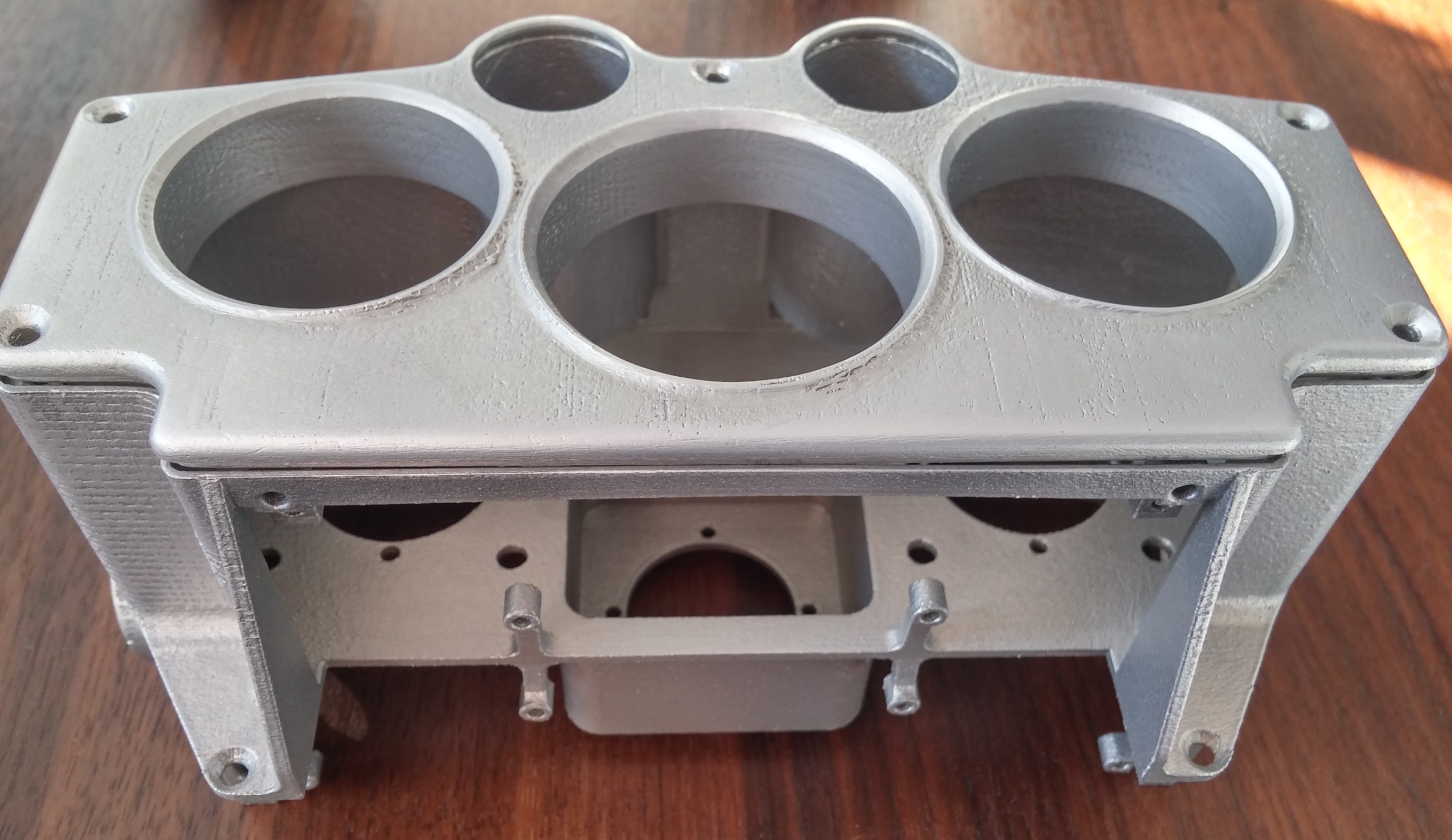
Metal 3D printed part
The discussions have taken place with people from manufacturing, construction, education, arts, making of musical instruments, bike builders, museums, designers, researchers, handcrafts, subcontracting, OEM, and many more.
In most cases the discussions and first reactions take similar paths: ”Our business is so conservative and traditional that I don’t see 3D printing coming into our activities in any way. The technology is far too expensive for us. And I believe, 3D printing is not mature enough or reliable for our business.” And they are right. This is of course the case when you come from a tradition and have established well-working and optimized practises.
Does this sound familiar? The experiences and encounters are more or less similar among all 3D printing evangelists and practitioners when they discuss with nonbelievers.
Simultaneously exploring the same industries and disciplines yields numerous examples and use cases how people already apply 3D printing in that specific application, industry, or discipline, and generate revenues with the new technology. The same observation emerges by looking at the industry forerunners and industry reports. 3D printing is applied in new areas and applications every day.
”No additive process (3D printing) can duplicate strength of the base material that could have been cast, moulded or machined from bar, let alone compete with the complex structures of composites” (Bike expert, 2013)
”First metal 3D printed bicycle frame”, ”Custom 3D printed titanium mountain bikes”, ”Robot Bike Company teams with AM experts on custom 3D printed bike frame”, ”Custom 3D Printed Carbon Fiber Bike Frame” (News titles on 3D printing and bikes, 2016)
What can we learn?
Forerunners do change the industry. Whatever business you think of, there is already somebody applying or exploring 3D printing. The number of these forerunners is overwhelming. And they seem to turn exploration and demonstrations into new businesses very quickly.
We are dealing with the phenomena of fast and slow thinking (Kahnemann). This is something deeply human which we can’t avoid. Fast thinking is automatic reaction that focuses on maintaining status quo and safety. It is often irrational and based on the incomplete, even conflicting, information that we have in the active memory. To my mind, forerunners are masters in slow thinking – combining and creating new information with deeper thought, and passing the phase of fast thinking without damage.
There are knowledge gaps. It is obvious that most of us don’t know enough about 3D printing and current status. And why should we? The technology is developing fast and it is really worksome to get proper information beyond the hype texts, successful demonstrations (forgetting the failed ones) and videos.
Consistency. It is interesting that the protective attitude against applying 3D printing is so similar across people and professions. Why guitar builders think that 3D printing will never come to their business? Why metal manufacturing company uses exactly the same words to turn down the opportunity?
Classic violin and 3D-printed electric violin 3DVarius play together
The industrial renaissance and digitalisation, where 3D printing is one essential element, is a great task for all educators, knowledge generators and advocates. We all will be challenged by the new opportunities, the inefficiency of old practices and by the new business models and economy that have started to emerge.
This blog is available also in Finnish. Tämä blogi on luettavissa myös suomeksi.
The report of the Future Committee of the Finnish Parliament, “A Hundred New Opportunities for Finland“, introduces a large number of things that will affect health care in the form of virtualization, data processing and local manufacturing. These include:
open data, big data and self-organizing data
easy imaging of objects and computationally created images
freely organized remote work and organizations formed online, as well as
3D printing.
This blog post will take a look at how development paths like these may affect the future of health care.
1. More knowledge – more suffering?
Online data banks, automatized data collection and data analysis enable applications that have never been possible before. Data is collected automatically every minute, and theoretically every little piece of data is connected to a larger whole. Data may then be utilized creatively for prediction, understanding complex processes and offering alternatives, for example.
Google in particular has amazed us with the multitude of ways in which data can be collected, analyzed and utilized in surprising ways. An example of this is analyzing Google search data to predict global influenza epidemics. In addition to being able to make global predictions based on the data, the same big data can be used for targeted purposes, such as user-specific advertising and finding personalized solutions. Perhaps in the future, the computer can warn you that you’re going to catch a flu next week. At the same time, you receive cheap offers for tissues and targeted drugs and a recommendation to postpone your holiday trip.
2. Smile – you’re on camera!
A human gets imaged at several stages during their life. The first pictures are taken during pregnancy at a maternity clinic. During childhood and after accidents, x-rays are used to map things like bones and teeth. Bodies are x-rayed at airport security checks. Detailed models of internal organs are created during various treatment procedures, such as computer tomography. There is already a small image library of each one of us.
The human image library is incomplete and fragmented into different data systems, but each image includes exact identification data about the person. If paleontologists are able to figure out the remaining parts of a dinosaur based on a femur, how much can we make out of a human’s exact structure based on the existing images and other data?
Would it be possible to start building a personal data bank of each person systematically, and could this be useful? Who could manage and utilize such a bank? Soldiers, for example, could be imaged and the images stored in a data bank so that limbs and bones lost in battle can be reconstructed, if necessary.
3. Biobanks & crowdsourcing
There are four licensed biobanks in Finland. Biobanks collect samples and data for future research and development projects. Any human data, such as x-rays, medical histories and genetic data may be stored in the same database.
A biobank, i.e. a database, will not create a complete image of a person. How can this incomplete data be utilized in an acute treatment situation, for example? The answer may lie in big data. A person’s own biobank will provide some of the required data. The missing data may be produced by analyzing similar situations and persons based on global data, and obviously data about close relatives.
It would be good to collect biobank data throughout a human’s lifespan. Long-term data produces scientific understanding of things like the growth of bones. The data may also be utilized, for instance, by being able to produce the right kind of 3D-printed prosthesis for a teenager who has lost their arm at regular intervals as they grow up. A similar concept is already being used to produce extracorporeal supporting structures.
If developed correctly, biobanks are the currency of the future. By utilizing data stored in them, we can save money in health care costs, predict treatment needs and develop new services.
4. Biodata is raw material for 3D printing
3D printing is based on 3D models. Models are created with computer assistance by hand, by imaging existing things, by customizing existing models or by automatically generating a model based on given criteria.
Automated design, image interpretation and computationally created images are already used in movies and video games, for example. Current artificial intelligence software is able to independently create algorithms, music and images. This type of software will probably be able to model an entire human, if given the femur as a starting point.
Several CAD modeling software already have built-in features that optimize a three-dimensional model for 3D printing. These software are also able to independently produce optimized shapes that conform to given design criteria regarding things like the amount, density or durability of the material. Biobanks contain digital data that can be converted into things like 3D models using the ideas described above. In other words, biobanks may be connected to printing quite directly.
Researchers are currently busy trying to find out what human organs can be produced by 3D printing. Bioprinting has already been used to produce heart valves, liver tissue, bone, kidneys, muscle cells and skin. In the future, biobanks will practically allow the production of human spare parts.
5. Conclusion
Medical applications are one of the greatest potentials for business related to 3D printing. Bone and tooth implants are already routinely produced by the 3D printing of titanium and ceramics. Gradually and inevitably, bioprinting will move from research labs to practice and ever deeper under the skin!
It would make sense to start a systematic and national collection of biodata by using existing methods, combining data from different sources and building an architecture that allows medical production of human spare parts in the future. As a technology, the routine printing of human muscles and organs is still a dream that is many years away, but we can start preparing for it already by collecting a unique database about our people. Combining genetic and other biobank data to the bank described here will create an enormous amount of new possibilities. The necessary know-how, whether it’s data processing, imaging or research into human spare parts, is something we have already.
Finland has great opportunities to become a leading country in biobanks and bioprinting.
3D-tulostuksen teollinen hyödyntäminen etenee laajamittaisesti. Tehokkaita metallitulostukseen keskittyviä palvelukeskuksia nousee parhaillaan Eurooppaan, Pohjois-Amerikkaan ja Aasiaan.
Konkreettista liiketoimintaa ja uuteen osaamiseen pohjautuvaa uutta työtä syntyy nopeasti. Kyseessä on maailmaa vauhdikkaasti muuttava megatrendi, jonka äärelle ryntäävät parhaillaan tutkijat, teollisuuden suuret toimijat, pk-yritykset, kokeilijat, keksijät, oppilaitokset ja yhteisöt.
Pohjois-Amerikassa kehitystä vauhdittava National Additive Manufacturing Innovation Institute kokoaa yhteen teollisuusyritykset, yliopistot ja suuren joukon muita organisaatioita. Kiina on käynnistänyt jättihankkeen, joka tuottaa kymmenen 3D-tulostuksen osaamiskeskusta. Etelä-Koreassa on meneillään laajoja 3D-tulostukseen liittyviä teknologisia ja yhteiskunnallisia kehityshankkeita. Pohjois-Euroopassa on syntynyt useita merkittäviä 3D-tulostuksen valmistuskeskuksia, muun muassa tuhannen työntekijän Materialise Belgiassa. Tavoitteena näissä hankkeissa on muuntaa valmistava teollisuus uuteen aikakauteen, teollisuuden renessanssiin.
Aika toimia!
Pirkanmaan liiton ja Avoin Tampere -hankkeen selvityksessä todettiin, että nyt on aika toimia myös Pirkanmaalla. Perusteet menetelmän laajamittaiselle hyödyntämiselle ovat olemassa. Kaikki tarvittava osaaminen ja motivaatio ovat olemassa yrityksissä, yhteisöissä, tutkimuslaitoksissa ja oppilaitoksissa. Teknologiat ovat riittävän kypsiä teolliseen hyödyntämiseen. Yhdeksän kymmenestä pirkanmaalaisesta metallialan toimijasta uskoo, että 3D-tulostus muuttaa omaa liiketoimintaa kahden vuoden kuluessa.
Menetelmä on universaali ja skaalautuva. Sitä hyödynnetään sujuvasti muun muassa lääketieteessä, talonrakennuksessa, autojen massatuotannossa, varaosapalveluissa, ruoanvalmistuksessa, museotoiminnassa ja design-esineiden valmistuksessa. Uusia liiketoimintaa luovia sovelluksia ja menetelmiä raportoidaan päivittäin.
Pirkanmaalaisen valmistavan teollisuuden erityispiirteitä ovat muun muassa pienet tuotantosarjat ja asiakaskohtainen räätälöinti. 3D-tulostuksen voima tulee esiin erityisesti juuri tämänkaltaisessa toiminnassa. Alueella on jo muutamia yrityksiä, joiden koko liiketoiminta perustuu 3D-tulostukseen. Myös pirkanmaalaiset oppilaitokset valmistautuvat aktiivisesti alan osaajien kouluttamiseen ja sovellusvalmiuksien luomiseen.
Innostuneimmat kehittäjät ja soveltajat löytyvät yhteisöistä. Kesäkuun Opi ja Oivalla -tapaamiseen Kangasalle kokoontui yli 60 3D-tulostuksen kehittäjää. Tapahtumassa syntyi toimintaryhmiä, jotka toimivat ja kokoontuvat omaehtoisesti esimerkiksi kehittämään uusia prototyyppejä. Verkossa toimiva E-Nable -yhteisö kehittää toimivia 3D-tulostettuja proteeseja, joilla voidaan auttaa nopeasti ja taloudellisesti muun muassa vammaisia lapsia ja korvata amputoituja raajoja.
Ehdotus
Pirkanmaalla on mahdollisuus nousta teollisen 3D-tulostuksen mahdollistaman liiketoiminnan edelläkävijäksi. Ehdotamme, että alueelle luodaan pohjoiseurooppalaiseen teollisuuteen tiukasti kytkeytyvä Skandinavian johtava osaamis- ja tuotantokeskus, jonka piirissä ovat tutkimus, kehitys, opetus, pk-yritysten palvelutoiminnot ja teollisuuden tarpeiden täyttäminen.
Millainen osaamiskeskus voisi olla ja ketä se voisi palvella? Osaamiskeskuksen toiminnassa on otettava huomioon erilaiset toimijat ja toimialueet laaja-alaisesti. Teollisuuden tarpeisiin (tutkimus, tuotekehitys ja tuotanto) on kehitettävä järeitä mutta joustavia ja monipuolisia palveluita. Pk-yritysten piensarjojen prototypointi-, kehitys- ja tuotantotarpeisiin voidaan vastata tarjoamalla ketteriä ja edullisia tuotantoympäristöjä. Yksittäiset toimijat, harrastajat, yhteisöt ja mikroyritykset tarvitsevat usein pelkän toimintaympäristön, jossa voivat itse toimia. Pohjoisamerikkalainen TechShop -toimintamalli tarjoaa täydellisen esimerkin tällaisen ympäristön toteutuksesta.
3D-tulostus on lähes päivittäin erilaisten julkaisujen otsikoissa. Menetelmään suhtaudutaan kuitenkin edelleen epäilevästi. Asiaa voidaan katsoa tutkijan silmin ja todeta, että vielä on paljon parannettavaa ja keskeneräistä – hötkyily ei kannata. Tai sitten voidaan toimia innostuneesti ja innovatiivisesti hyödyntäen menetelmän tarjoamat liiketoimintamahdollisuudet, kuten monet yritykset ovat jo tehneet.
Uutta työtä ja liiketoimintaa luova mahdollisuus on tarjolla aivan silmiemme edessä. Mahdollisuus voidaan hyödyntää yhteisellä visiolla, älykkäällä yhteistoiminnalla ja konkreettisilla rahoituspäätöksillä. 3D-tulostus on jo tämän päivän mahdollisuus.
Pekka Ketola & Petri Pitkänen
Ideascoutin Ketola ja Pitkänen ovat pirkanmaalaisia 3D-tulostuksen aktivaattoreita ja Tredean 3D Pirkanmaa -hankkeen vetäjiä.







 3d printing renaissance